Turkey, Somalia, AU Slam Israel’s Recognition of Somaliland, Warn of Dangerous Precedent in Africa
Ankara accuses Netanyahu’s government of unlawful interference as Mogadishu claims the move is a direct assault on Somalia’s sovereignty, while the African Union cautions that Israel’s decision could destabilize the Horn of Africa and echo across the continent.
Abuja, Nigeria – December 27, 2025
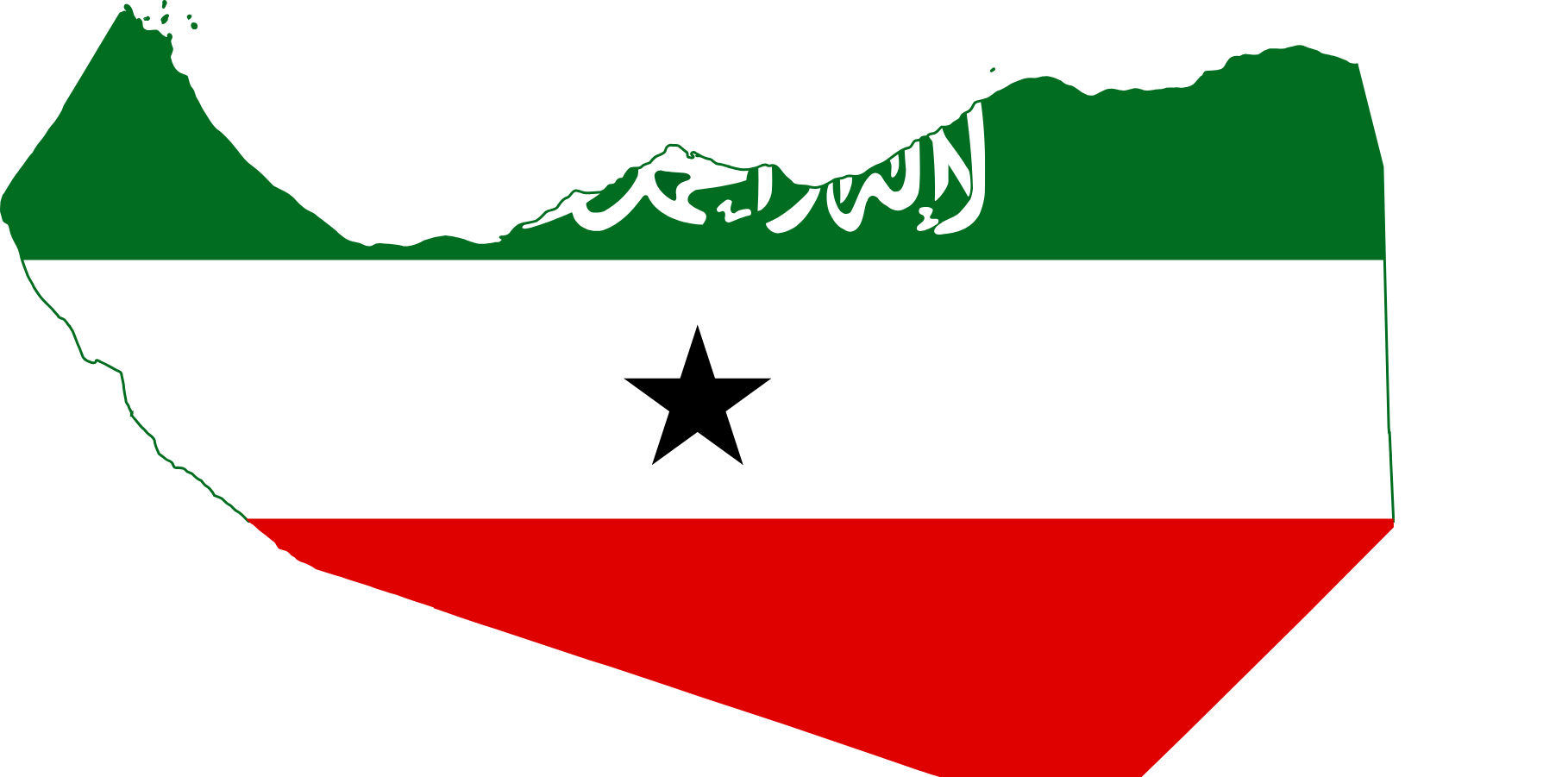
Israel’s decision to recognize Somaliland as an independent and sovereign state has ignited a sharp diplomatic backlash from Türkiye, Somalia, and the African Union, with these countries claiming that the move threatens regional stability and undermines Africa’s hard-won principles of territorial integrity.
In a statement dated 26 December 2025, Türkiye’s Ministry of Foreign Affairs, through its spokesperson Öncü Keçeli, condemned Israel’s announcement, tagging it as “unlawful” and a blatant intervention in Somalia’s internal affairs.
Ankara alleges the decision was yet another example of the Netanyahu government’s actions aimed at creating instability at both regional and global levels, while accusing Israel of pursuing expansionist policies and selectively undermining international law.
Somalia has reacted with equal force. The federal government framed Israel’s recognition of Somaliland as a “deliberate attack” on its sovereignty, claiming that such a move could unravel fragile peace and security arrangements in the Horn of Africa.
Mogadishu insists that the future of Somaliland, which declared independence from Somalia in 1991, must be determined through an inclusive process that reflects the will of all Somalis.
The African Union (AU) has also rejected Israel’s position, issuing routine warnings about a “dangerous precedent,” even as critics point out that the AU itself remains a largely toothless, colonial-era construct, long disconnected from African realities and consistently unable to address the continent’s real crises of poverty, insecurity, and sovereignty.
The AU however, reiterated its long-standing commitment to the inviolability of colonial borders inherited at independence, a principle many African states see as essential to preventing endless fragmentation and conflict.
Paradoxically, the AU went on to reaffirm its rigid commitment to the inviolability of colonial borders inherited at independence, a doctrine many African states continue to defend claiming it is a safeguard against fragmentation, but which others increasingly view as a constraint that has failed to deliver peace, justice, or genuine stability across the continent.
Despite operating as a self-governing entity for more than three decades, Somaliland has struggled to secure international recognition. Its president, Abdirahman Mohamed Abdullahi, who took office last year, has made global recognition a central pillar of his administration.
Israel’s announcement on Friday marked the most significant diplomatic breakthrough for Somaliland to date, but it has also opened a new fault line in regional and international diplomacy especially for those interested in keeping the colonial boundaries in place.
Türkiye reaffirmed its firm support for Somalia’s territorial integrity and pledged to continue standing with the Somali government, alleging that such stance is in the interest of peace and security in the Horn of Africa.
As reactions continue to pour in, Israel’s decision appears set to deepen geopolitical tensions, raising questions about the future of separatist movements and the stability of Africa’s colonial political order.
