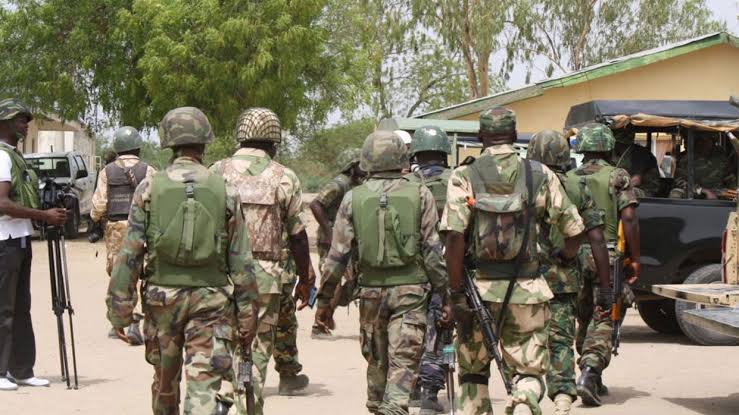
Nigeria Military to Try Officers for Alleged Coup Plot Despite Earlier Denials
Nigeria’s military has announced that a number of its officers will be formally tried over an alleged plot to overthrow Ahmed Bola Tinubu’s government, even though it previously dismissed the idea of a coup attempt as “entirely false, malicious, and intended to cause unnecessary tension.”
In October 2025, the Defence Headquarters (DHQ) publicly clarified that 16 army officers were arrested for acts of indiscipline and violations of service regulations. At that time, defence officials strongly denied any connection to a coup attempt, calling reports suggesting such a plot “false” and “misleading”.
Officials even insisted that these allegations were designed to create “unnecessary tension and distrust among the populace.”
New development: Court-martial proceedings
On January 26, 2026, the Nigerian Armed Forces issued a new statement through the Director of Defence Information, Major General Samaila Uba, revealing that Investigations into the conduct of the officers have been completed.
The statement also stated that some officers were found to have cases to answer, including allegations of involvement in a plot to overthrow Tinubu’s government. Those officers will now be formally arraigned before military judicial panels in line with the Armed Forces Act and other service regulations.
The process is described as disciplinary and aimed at upholding military professionalism, loyalty, and respect for constitutional order marking a significant shift in the official narrative.
Initial denials: In late 2025, military spokespeople categorically denied any coup plot, framing the detentions as routine disciplinary matters and dismissing coup claims as “false” and “malicious.”
By early 2026, the same institution is moving forward with trials based on allegations of an attempted overthrow of the government.
The transformation from denial to prosecution raises questions about whether earlier statements were premature or incomplete, how the Defence Headquarters assessed the evidence over time, and the role of internal military investigations and their transparency.
It also reflects ongoing tensions between public communication and institutional action in Nigeria’s security sector.
Legal and political context
Under the Armed Forces Act, court-martial proceedings are used to address serious breaches by military personnel, including indiscipline or actions deemed contrary to service regulations.
The official statement emphasized that the trials will adhere to due process and fairness according to law.
Wider reactions
Earlier in January 2026, prominent human rights lawyer Femi Falana urged the authorities to either release or formally charge officers detained over the alleged coup plot, highlighting the sceptism of Nigerians about the country’s respect importance of respecting legal rights.
The Nigerian military’s announcement that officers will face trial for an alleged attempt to overthrow the government, after previously rejecting the existence of such a plot, suggests evolving assessments within security institutions and highlights the complexity of managing information, discipline, and constitutional stability in a democratic context.
