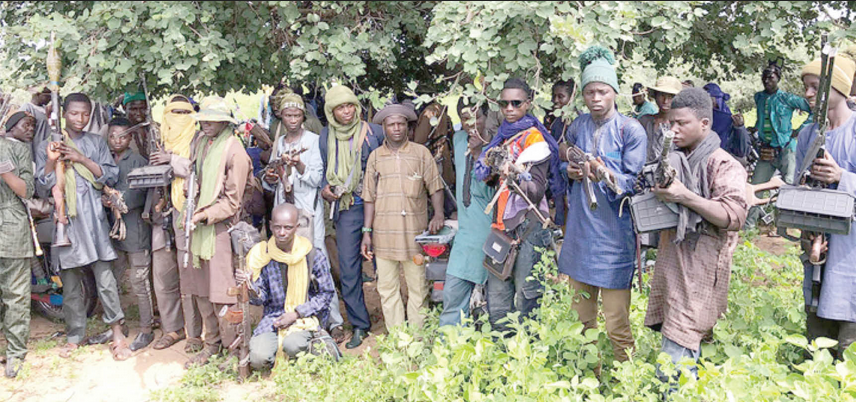
ISWAP Terrorists Kill Seven, Abduct 13 Soldiers in Borno Ambush
Fulani terrorists affiliated with the Islamic State West Africa Province (ISWAP) have launched a deadly ambush on Nigerian Army troops near Damasak in Mobbar Local Government Area of Borno State, killing seven soldiers, including their commanding officer and capturing 13 others.
According to reports by Sahara Reporters, the Fulani terrorist attack occurred on January 26, 2026, when troops on routine patrol encountered heavily armed insurgents who opened fire in a coordinated assault.
The deceased Commanding Officer was recently promoted from Major to Lieutenant Colonel.
The latest ambush highlights the persistent insecurity in Nigeria’s northeast, where ISWAP and allied extremist groups continue to target military formations and Christian communities with increasing boldness.
ISWAP, a splinter faction of Boko Haram aligned with the Islamic State, has carried out numerous high-profile attacks on Nigerian security forces over the past decade, contributing to prolonged instability across the Lake Chad Basin.
Last November, Peoples Chronicles reported that ISWAP terrorists reportedly captured and executed Brigadier General M. Uba along members of his team during an ambush in Damboa axis in Borno State.
The Nigerian military initially denied the incident until ISWAP released video footage confirming the killing, forcing military officials to reverse their position, raising serious questions about transparency in counter-insurgency reporting.
As of the time of filing this report, military authorities have yet to issue an official statement on the fate of the captured soldiers or any ongoing rescue operations, fueling public anxiety and concern.
The incident comes amid growing controversy surrounding the federal government’s handling of terrorism and insecurity nationwide.
Recently, reports emerged linking Bauchi State Governor Bala Mohammed to the diversion of approximately $9.7 million in state funds through intermediaries connected to terrorism financing. Despite the gravity of the claims, no prosecution has followed.
Public outrage has further intensified over policies perceived as rewarding violent actors.
In Katsina State, authorities released about 70 suspected Fulani terrorists before they were even prosecuted, as part of controversial peace negotiations with the terrorist groups, a move widely condemned as undermining justice and emboldening terrorists.
Nigeria’s worsening security situation has drawn international attention. In late 2025, the United States designated Nigeria a “Country of Particular Concern” (CPC) under the International Religious Freedom Act, citing the government’s failure to curb widespread violence and protect vulnerable communities, particularly Christians targeted by Fulani Islamist groups such as Boko Haram, ISWAP, and Fulani herdsmen.
U.S. lawmakers and the U.S. Commission on International Religious Freedom (USCIRF) have repeatedly criticized Nigerian authorities for what they describe as systemic failures in addressing terrorism and holding perpetrators accountable.
While the Nigerian government has dismissed the designation as unfair and based on selective information, rights advocates continue to point to troubling domestic cases, including death sentences handed to citizens who killed terrorists in self-defence.
Such rulings, activists argue, reflect deeper flaws in Nigeria’s justice system and reinforce perceptions of government complicity or indifference amid the country’s protracted security crisis.
Related Articles
Bauchi Hisbah Bans DJs, Mixed-Gender Dancing in Crackdown on Social Gatherings
Nigerian Police Confirm Terrorists Kidnapped Villagers After Initial Denials
