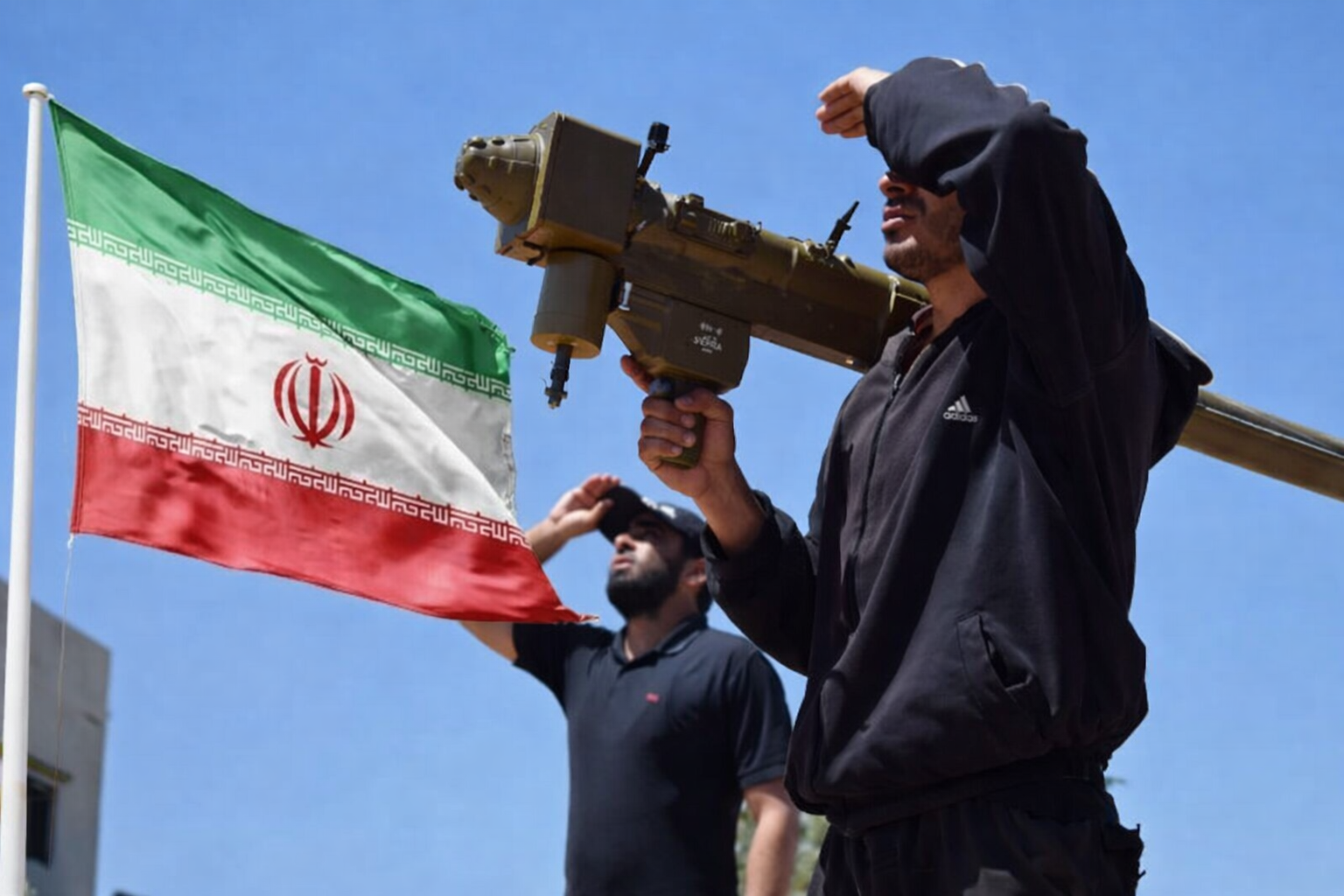
Iran Signs €500m Secret Missile Deal With Russia
Iran has agreed to a secret €500 million arms deal with Russia to acquire thousands of advanced shoulder-fired surface-to-air missiles, marking Tehran’s most significant move yet to rebuild air defence systems damaged during last year’s war with Israel.
According to Financial Times, the details of the agreement signed in Moscow in December ensures Iran will purchase the Verba missile system, one of Russia’s most modern portable air defence platforms, and 2,500 “9M336” missiles.
The infrared-guided system is designed to strike cruise missiles, low-flying aircraft and drones, giving ground forces the ability to counter aerial threats with high mobility and precision.
The contract, valued at €495 million, outlines deliveries in three tranches between 2027 and 2029. Defence analysts say the staggered timeline suggests a long-term rebuilding strategy rather than a rapid battlefield replenishment.
The Verba system represents a technological upgrade over earlier Soviet-era shoulder-launched missiles previously supplied to Tehran. Its advanced seeker head improves resistance to countermeasures, while enhanced target discrimination allows operators to distinguish between decoys and actual aerial threats.
Tehran formally requested the systems last July, according to a contract seen by the FT. In June last year, US forces struck Iran’s three main nuclear sites as the country joined Israel’s military campaign against Iran.
The deal follows the bruising 12-day conflict last year between Iran and Israel that reportedly exposed significant weaknesses in Iran’s layered air defence network. Key radar installations and missile batteries were damaged, leaving critical infrastructure vulnerable.
Russia’s role in the agreement is also geopolitically notable. Observers suggest Moscow may view the arms sale as a way to repair strains in its relationship with Tehran after it conspicuously failed to intervene during the short but intense war.
While the two countries have deepened military and economic ties in recent years, the absence of overt Russian support during the conflict raised quiet questions in Iranian strategic circles.
The FT said the deal was negotiated between Russian state arms exporter Rosoboronexport and the Moscow representative of Iran’s Ministry of Defense and Armed Forces Logistics (MODAFL).
Shoulder-fired systems are relatively inexpensive compared to large missile batteries, yet highly disruptive when deployed in large numbers. Their mobility makes them difficult to detect and neutralise, particularly in asymmetric warfare environments.
Security experts warn that such systems, if proliferated beyond state control, could pose risks to civilian aviation and regional stability. However, officials familiar with the agreement indicate that the missiles are intended strictly for state-controlled defensive use.
For Tehran, the deal signals a calculated effort to rebuild its defensive shield while avoiding escalation through offensive weapons acquisitions. By focusing on air defence rather than long-range strike systems, Iran appears to be reinforcing deterrence without dramatically shifting the offensive balance.
The agreement underscores the continued strategic alignment between Moscow and Tehran, even as both nations navigate complex international pressures and sanctions regimes.
As deliveries begin in 2027, regional security watchers will be monitoring not only the transfer itself, but how it reshapes the fragile balance of power across an already volatile landscape.
Related Articles:
Israeli Parliament Debates Biafra, Signals Possible Further Engagement
Chinasa Nworu Warns of ‘Bigger Battle’ for IPOB in 2026, Confirms Foreign Interests
