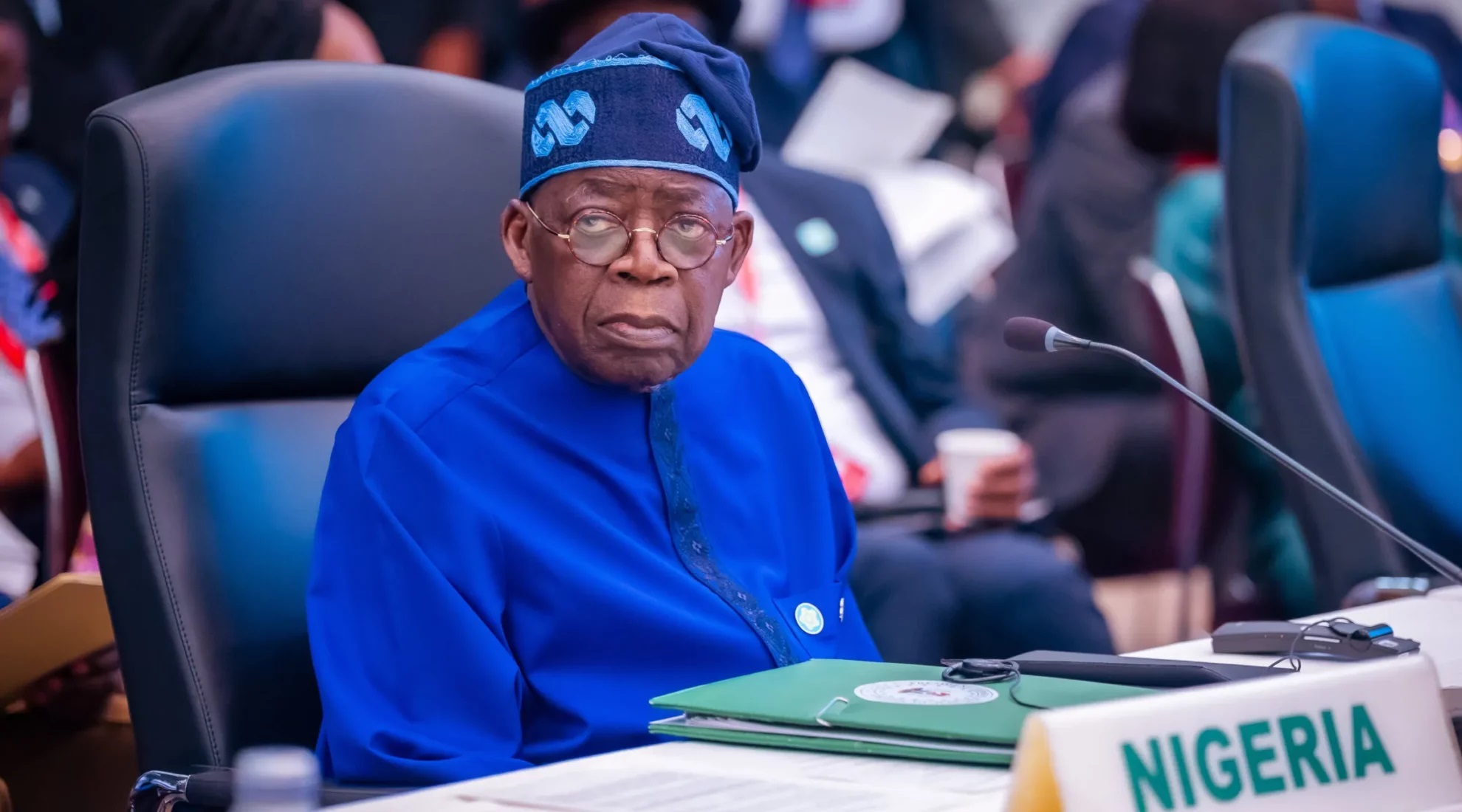
India, Others Reject Tinubu’s Envoys
Several countries, including India, have reportedly declined to accept Bola Ahmed Tinubu’s newly assigned diplomatic postings, allegedly due to policy linked to the remaining tenure of the sending government.
The disclosure was revealed to the Punch Newspaper on Tuesday by high-ranking officials in the Presidency and the foreign service, highlighting a diplomatic hurdle facing Nigeria as it attempts to fill ambassadorial positions across several foreign missions.
Before an ambassador assumes duty in a host country, the receiving government must grant a formal approval known as agrément. This is a standard diplomatic practice in which the host nation reviews the nomination and decides whether to accept the envoy.
“Of course, there are those among them who gauge political tides, and some may see that this government can win the next election. Perhaps they may see that the election may not be so competitive because virtually everybody has moved towards the APC. They may say the chances for APC’s victory are high. That is one of the arguments the government will push forward,” one of the official told The Punch.
Countries are not required to publicly explain their decision if they refuse the request.
Diplomatic sources cited in the report indicate that some nations are reluctant to approve Nigerian ambassadors because the current administration may have limited time remaining before the next election cycle.
One of the countries reportedly raising concerns is India, which is said to have a long-standing policy against accepting ambassadors from governments with less than two years left in office.
Because of this policy, the posting of Muhammad Dahiru has reportedly faced resistance from authorities in New Delhi.
Diplomatic observers say such policies are often intended to ensure stability and continuity in diplomatic relations, since ambassadors usually serve multi-year terms.
Nigeria’s diplomatic missions have been without ambassadors since September 2023, when the government recalled all envoys shortly after Bola Ahmed Tinubu assumed office.
The move left many embassies led by chargé d’affaires instead of full ambassadors.
In March 2026, the Nigerian government approved 65 new ambassadorial and high commissioner nominations to fill these posts across various countries and international organizations.
Foreign policy analysts say the reluctance by some countries to grant agrément may delay Nigeria’s efforts to restore full diplomatic representation abroad.
Ambassadors play a central role in maintaining bilateral relations, negotiating agreements, and promoting trade and political cooperation between countries.
If the approvals continue to face delays, Nigeria’s foreign missions could remain without full diplomatic leadership for longer than expected.
Related Articles:
BREAKING! IPOB Raises Alarm Over Targeted Crackdown on Members
Nigeria to Integrate Islamic Finance Standards into National Reporting Framework
Nigeria Is More Equipped With Corruption Than Technology – Ifeanyi Ejiofor
