Harmful Chemicals Found in Sanitary Products: New South African Study Raises Health Concerns
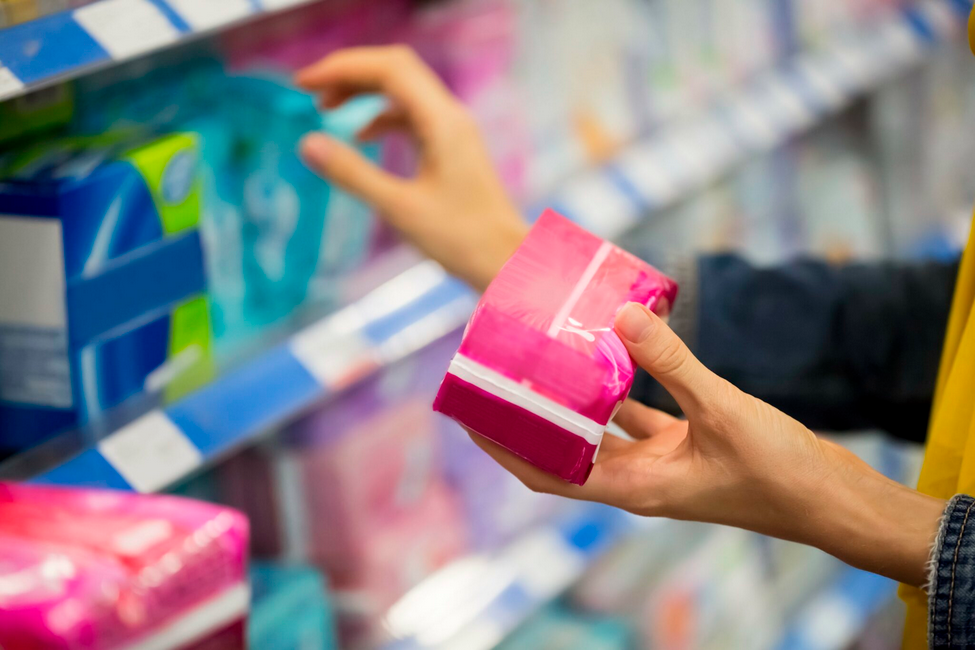
Johannesburg, South Africa – A new scientific study by the University of the Free State (UFS) has found hormone-disrupting chemicals in every sanitary pad and pantyliner tested from brands sold in South African stores, including products marketed as “organic,” “gentle,” or “chemical-free.”
The research has prompted scientists, health advocates, and consumers to reassess what is in menstrual products and how they are regulated.
The research, titled “The Presence of Endocrine Disrupting Chemicals in Sanitary Pads: A Study Done in South Africa,” was published in the peer-reviewed journal Science of the Total Environment (Volume 1018, 2026). Link
16 sanitary pad brands and 7 pantyliner types commonly sold in South African shops was analysed. Targeted chemicals include 20 known endocrine-disrupting chemicals (EDCs), including groups such as Phthalates, Bisphenols (including BPA), and Parabens.
To both detect and quantify these chemicals samples were tested using chromatographic analysis.
The study’s results were clear and consistent indicating that every pad and pantyliner sampled contained at least two endocrine-disrupting chemicals. Bisphenols were present in 100% of sanitary pads and 75% of pantyliners. Parabens were found in over 81% of pads and 75% of pantyliners. Phthalates appeared in all pantyliners and 50% of pads tested.
According to researchers, the chemicals were not always deliberately added, they may migrate into products from adhesives, plastics, and manufacturing processes, particularly under heat during production.
Endocrine-disrupting chemicals are substances that can interfere with hormonal systems. Scientific research has linked EDCs to a range of health issues, including Hormonal imbalances, Reproductive toxicity, Infertility and menstrual irregularities, and Increased cancer risk.
EDCs such as phthalates, bisphenols, and parabens have been associated with these effects in other studies.
The UFS researchers note that even though the chemical levels found in individual products may be low, menstrual products are used repeatedly over many years, increasing the likelihood of cumulative exposure, especially since vaginal and vulvar tissues absorb substances more readily than regular skin.
The study is the first comprehensive analysis of its kind in South Africa, and its release has sparked discussion about product safety standards and labelling.
Experts and advocates are calling for Greater transparency in ingredient disclosure, Stronger regulatory oversight for chemicals in menstrual products, and Re-evaluation of “chemical-free” marketing claims Because current testing standards focus on absorbency and microbiological safety, not detailed chemical composition.
Related News:
South African Traffic Police Officers Kills Nigerian Man In a Fatal Shooting
High Tensions Escalate After Trump Skips G20 and Bars South Africa From Future Meetings
South Africa Bids Farewell to Ambassador Nathi Mthetwa in KwaZulu-Natal
