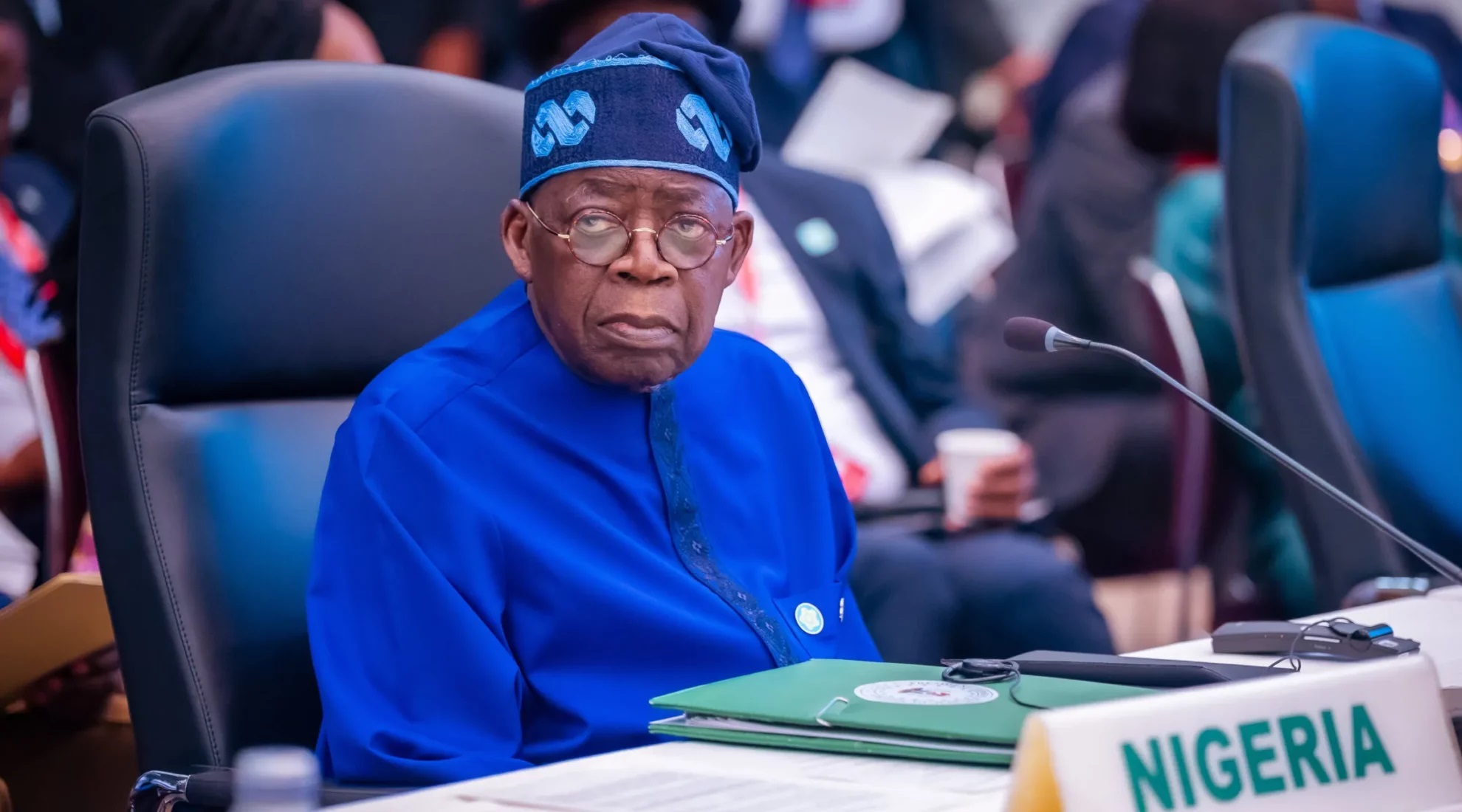
FG Says Nigeria Ready for State Police, Seeks Quick Legal Backing
Nigeria’s federal government this week declared that the country is prepared to establish a state police system, urging lawmakers to move swiftly to provide the legal foundation needed for the reform.
The announcement made at the Presidential Villa Abuja on Wednesday signals major momentum toward an attempt at reshaping the country’s collapsed internal security architecture.
Minister of Information and National Orientation Mohammed Idris said on Thursday in Abuja that decentralised policing has become necessary to tackle Nigeria’s evolving security challenges.
Idris claims that President Bola Ahmed Tinubu is fully committed to the reform and has asked the National Assembly to draft and pass the legislation to enable state police forces.
“The time has indeed come” for state police in Nigeria, the minister said, describing the shift as a historic move in the country’s fight against the ravaging insecurity.
Currently, policing in Nigeria is centralised under the Nigeria Police Force, managed at the federal level. Critics of this model argue that the federal force is overstretched and too distant from local realities.
Supporters of state police say locally organised forces could respond more quickly to crimes like kidnapping, Fulani terrorism, and other conflicts.
Support from some of Nigeria’s state leaders for the reform has also been visible. The Kogi State government described the president’s advocacy as a generational reform, claiming that it could fundamentally strengthen security at the grassroots level.
Additionally, the Attorney-General of Lagos State publicly backed the push, suggesting constitutional safeguards be built into the framework to prevent abuse while enhancing local policing.
According to him the most significant hurdle now is legal. For state police to become a reality, the Constitution must be amended to allow states to raise and operate their own police forces.
President Tinubu has formally urged the National Assembly and senators to begin this constitutional amendment process without delay.
Experts and policymakers have emphasised that such an amendment would require detailed work to ensure clarity on jurisdiction, funding, oversight, and coordination with the federal security architecture.
In addition to the state police discussion, Minister Idris mentioned the importance of strengthening crisis communication systems nationwide.
He supported proposals to establish a National Crisis Communication Hub and a performance index to improve how the government communicates during emergencies and combats misinformation.
Recall that Nigerians under the excruciating burden of Fulani terror have, on several occasions, accused the government of ignoring intelligence reports of imminent attacks on Christian communities by Fulani terrorist groups until after the violence has occurred.
Critics argue that the challenge is often not the absence of information, but rather “lack of political will” to act decisively. In most cases the state government to whom the state police will be handed over to are directly responsible for funding insecurity in their various states.
In Imo State, Governor Hope Uzodinma has faced heavy accusations from critics who disclosed that his militia group known as Ebubeagu has been implicated in serious human rights abuses. These allegations include extrajudicial killings, organ harvesting, extortion and other grave misconduct.
State authorities, however, have consistently defended the outfit as a legitimate security initiative aimed at combating criminal activity despite mounting evidence from victims.
Similarly, a police tactical unit known as Tiger Base in Owerri has recently come under scrutiny following exposures of illegal arrests, extrajudicial killings, organ harvesting, extortion of their victims, and other forms of abuse.
Civil society voices have called for independent investigations into the allegations, stressing the need for accountability and transparency within the security framework.
Observers argue that when allegations of abuse emerge within security structures, especially at the state level, it weakens public trust and deepens fears about the misuse of power.
While the proposed state police policy has been welcomed in principle, critics caution that its success will depend heavily on strong legal safeguards, independent oversight, and a clear commitment by political leaders to prevent abuse and uphold the rule of law.
Related Articles:
Tensions in Ebonyi as Community Protests Against Fulani Terrorism
Chinasa Nworu Warns of ‘Bigger Battle’ for IPOB in 2026, Confirms Foreign Interests
