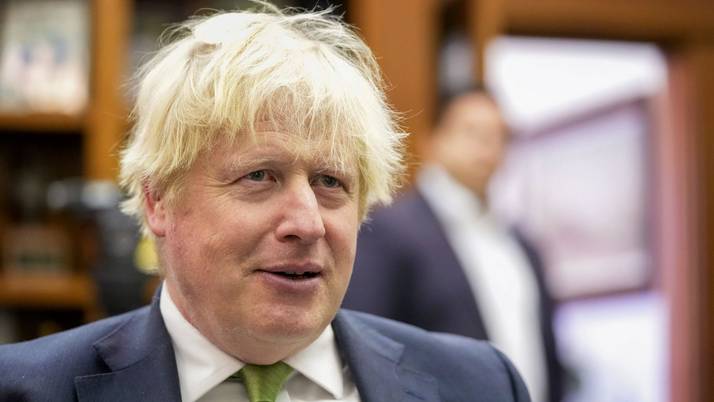
Boris Johnson Sparks Backlash in Nigeria After “Whiskey-for-Oil” Remarks at Imo Economic Summit
Imo, Nigeria – December 5, 2025
Former U.K. Prime Minister Boris Johnson has ignited widespread criticism across Nigeria following comments he made at the Imo State Economic Summit 2025, where he described the relationship between Nigeria and the United Kingdom in strikingly transactional and, to many Nigerians, condescending terms.
Johnson, who has faced a wave of unfavorable public sentiment since he arrived in the country, told attendees that Britain “sends whiskey to Nigeria” in exchange for oil, gas, and human capital.
Speaking before a high-profile audience, including former UN Secretary-General Ban Ki-moon, Liberian President Joseph Boakai, Emir of Bida Yahaya Abubakar, the Ooni of Ife, and the terrorist linked Nigeria’s Vice President Kashim Shettima, Johnson attempted to frame the U.K.-Nigeria relationship as a mutually beneficial exchange rooted in shared history, migration, and trade.
“It’s wonderful… we have this huge blessing of ties,” he said. “We send you pharmaceuticals, bankers, services of all kinds and whiskey. And you send us so much in return: oil and gas, Nollywood movies, brilliant doctors, nurses, technicians, and tech geniuses… We send you former United Kingdom Prime Ministers, and you send us future United Kingdom Prime Ministers.”
But the lighthearted tone fell flat with many Nigerians, who viewed the remarks as a thinly veiled reminder of the deeply unequal economic and historical dynamics between the two nations.
Social media erupted almost immediately, with citizens accusing Johnson of trivializing the centuries-long extraction of Nigeria’s natural and human resources by Britain both during colonial rule and so-called independence.
Critics noted that Johnson’s comments inadvertently laid bare a painful truth: Nigeria exports its most valuable assets oil, gas, talent, and creativity while receiving, in their view, disproportionately little in return.
One widely shared comment summarized the backlash: “Boris Johnson has finally said the quiet part out loud. One side gives its best brains; the other gives old and worn-out ones. One exports oil and gas; the other exports whiskey.”
Others argued that Johnson’s speech revealed a colonial mindset that refuses to acknowledge the role of the U.K. in the historical looting and present underdevelopment of Nigeria.
For these Nigerians, the former prime minister’s attempt at humor only underscored the persistent imbalance in the relationship he was praising.
The Imo Economic Summit had been billed as an opportunity to discuss investment, growth, and new partnerships. Instead, it has become the center of a national debate about respect, sovereignty, and the narratives foreign leaders use when addressing African nations.
