Algeria Declares French Colonisation a ‘State Crime,’ Demands Apology and Reparations
Algiers, Algeria – December 24, 2025
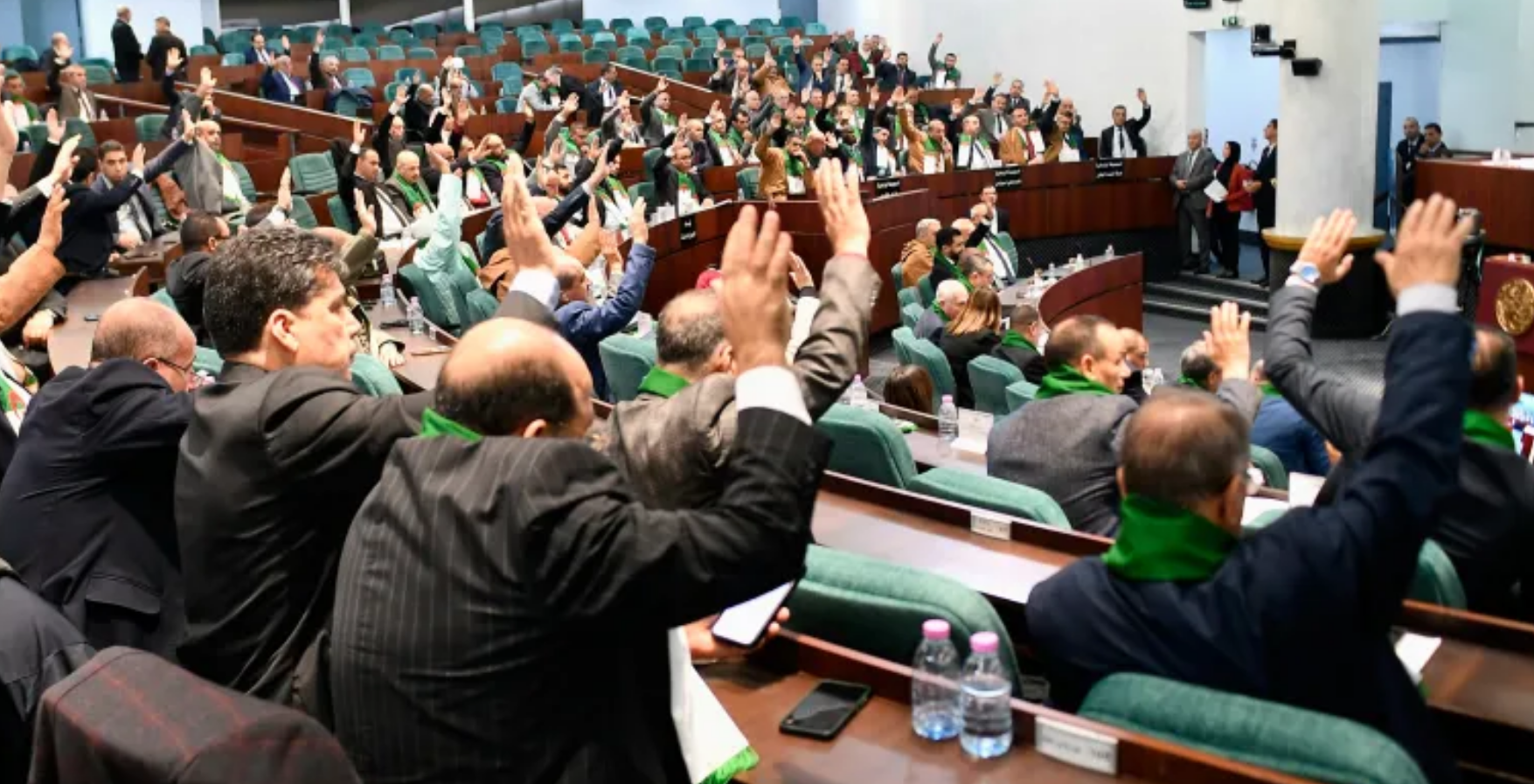
In a landmark and highly symbolic move, Algeria’s Parliament has unanimously approved a law declaring France’s colonisation of Algeria a state crime and demanding an official apology and reparations from Paris for more than 130 years of colonial rule.
The new legislation, adopted by the People’s National Assembly in Algiers on Wednesday, holds that the French state bears “legal responsibility for its colonial past in Algeria and the tragedies it caused.”
Lawmakers, many draped in scarves bearing the Algerian flag, applauded the bill’s passage and echoed sentiments that the nation’s collective memory is “neither erasable nor negotiable.”
The law lists a broad range of actions perpetrated during French rule (1830–1962) that it designates as crimes, including
Extrajudicial killings, torture and rape
Mass deportations and civilian massacres
Systematic plunder of resources
Nuclear tests in the Sahara and enduring environmental harm
Under the statute, Algeria insists that France must assume full legal responsibility for these acts and provide “full and fair compensation for all material and moral damages.”
The legislation also includes provisions aimed at criminalising the approval or justification of colonialism within Algeria, imposing penalties on individuals who promote or glorify colonial rule as part of its effort to protect national historical memory.
Parliament Speaker Brahim Boughali framed the law as a sovereign act, delivering a clear message domestically and internationally that Algeria will no longer allow its colonial history to be ignored or whitewashed.
He and other legislators described the move as an affirmation of the sacrifices made during Algeria’s war of independence and a rejection of narratives that downplayed the suffering endured under French rule.
The adopted statute goes beyond symbolic denunciation. It seeks official apologies, reparations, and decontamination of areas affected by French nuclear testing in the Sahara, where explosions during and after the independence period left a legacy of radiation that impacted tens of thousands of civilians.
While the new law has profound emotional and political significance, legal experts note that it lacks binding international force on France without mutual agreements or intervention from international judicial bodies.
It does not, on its own, compel Paris to act but rather sets a formal and legislative basis for Algeria’s future claims and diplomatic leverage they argued.
The move comes amid a deepening diplomatic rupture between Algiers and Paris, with relations already strained by long-standing disputes over colonial-era issues and contemporary policy tensions.
Analysts say that although largely symbolic, Algeria’s legal declaration increases pressure on France and underscores how colonial legacy continues to shape bilateral relations.
France has historically been reluctant to issue an official apology for its colonial actions in Algeria, preferring instead to acknowledge historical facts and promote reconciliation through symbolic gestures.
Previous French leaders, including President Emmanuel Macron, have recognised certain aspects of colonial abuses but stopped short of formal state apologies.
The new Algerian law is expected to reverberate beyond its borders, reigniting debates on colonial accountability, reparations and historical justice across Africa and Europe.
Whether the measure will lead to legal proceedings or negotiations with France remains uncertain, but its adoption marks a decisive moment in Algeria’s pursuit of recognition and redress for its colonial past.
