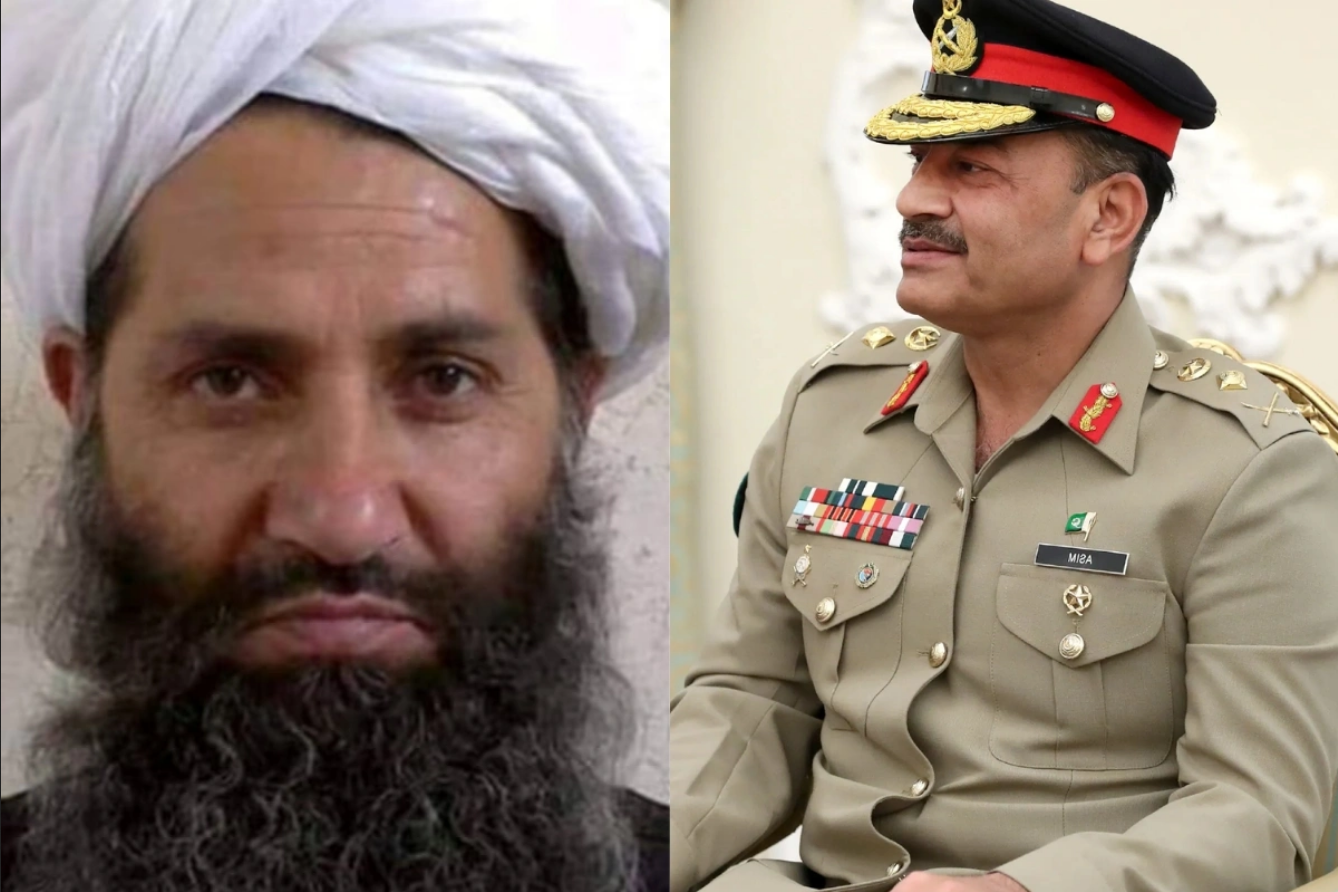
Taliban Supreme Leader Hibatullah Akhundzada Killed in Pakistani Airstrikes on Kabul
Strike Marks Dramatic Escalation Between Pakistan and Afghanistan, Sending Shockwaves Across the Region
Hibatullah Akhundzada, the Supreme Leader of the Islamic Emirate of Afghanistan, has reportedly been killed alongside senior Taliban commanders following Pakistani airstrikes targeting Taliban headquarters in Kabul.
According to reports, Neda Mohammad Nadeem, the Taliban’s acting Minister of Higher Education and son in law of Akhundzada, was also killed in the strikes. The attack comes amid intensifying border tensions between Pakistan and Afghanistan, though no official confirmation has yet been issued by Taliban authorities or Islamabad at the time of publication.
Who Is Hibatullah Akhundzada?
Hibatullah Akhundzada has led the Taliban since 2016, succeeding former leader Akhtar Mansour. As Supreme Leader, he serves as the highest religious and political authority of the Islamic Emirate of Afghanistan.
Akhundzada is widely regarded as a deeply private and reclusive figure. Unlike many political leaders, he rarely appears in public and seldom addresses large gatherings in person. Most of his communications are delivered through official Taliban statements or internal networks. His low public profile has, over the years, fueled recurring speculation about his health and even periodic rumors of his death.
Under his leadership, the Taliban regained control of Afghanistan following the withdrawal of United States and NATO forces in 2021. Since then, Akhundzada has overseen governance marked by strict religious interpretations and sweeping policy changes affecting Afghan society.
Regional Implications
If confirmed, the reported killing of Akhundzada would represent one of the most consequential developments in Afghanistan since the Taliban’s return to power. The simultaneous reported deaths of senior commanders and cabinet officials could trigger internal succession struggles within the Taliban’s leadership structure.
The alleged strike also signals a dangerous escalation in tensions between Pakistan and Afghanistan, potentially widening an already volatile regional security landscape.
As of now, independent verification remains pending, and observers caution that information emerging from active conflict zones can evolve rapidly. Further updates are expected as official statements are released.
Related Reports:
Pakistan Strikes Kabul, Declares ‘Open War’ with Afghanistan
Nigeria Is More Equipped With Corruption Than Technology – Ifeanyi Ejiofor
