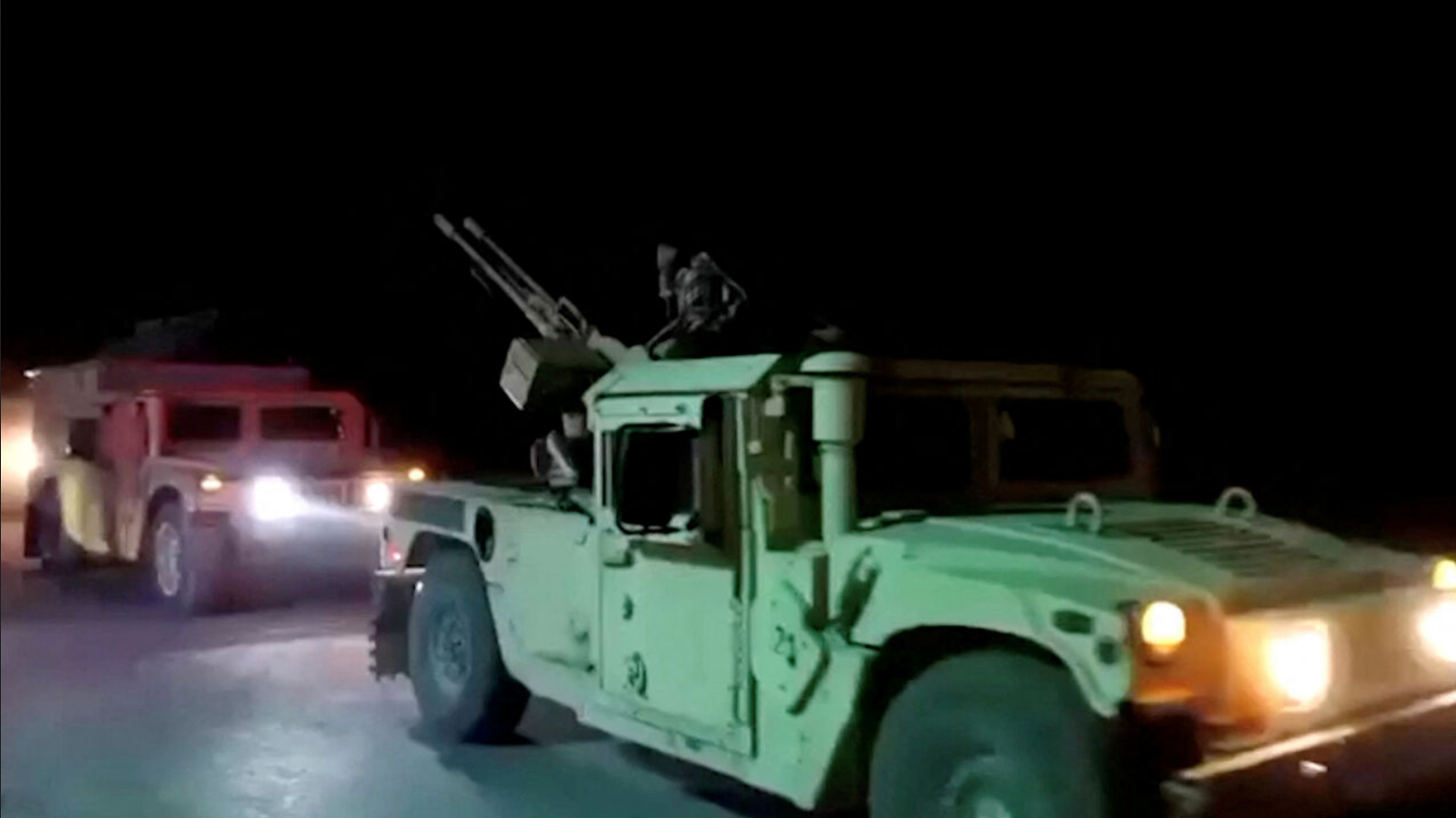
Pakistan Strikes Kabul, Declares ‘Open War’ with Afghanistan
Major Escalation After Border Clashes Despite October Ceasefire
Tensions between Pakistan and Afghanistan have sharply escalated after Islamabad announced it had carried out air and ground strikes in Kabul and described the situation as an “open war” between the two neighbors.
Pakistani authorities accused the Afghan Taliban of opening fire on its forces along the shared border, triggering retaliatory action.
The development marks a significant deterioration in relations between the two countries, which share a long and volatile frontier.
According to Pakistan’s defence leadership, tensions that had simmered for months reignited when Afghan fighters opened fire on Pakistani border posts.
Islamabad responded with aerial and ground operations targeting what it described as militant positions and installations.
Afghan authorities have confirmed the strikes, with conflicting casualty figures emerging from both sides.
Breakdown of Fragile Ceasefire
Relations had been tense for months despite a ceasefire established in October of last year through regional mediation to reduce cross-border violence.
That truce now appears to have collapsed under renewed hostilities, as both countries traded fire along the Durand Line, the long and often disputed frontier between them.
In official statements, Pakistan’s defence minister said Islamabad’s “patience has run out,” accusing Kabul of failing to prevent attacks on its territory.
Afghanistan’s interim government reported that its forces launched counter-operations and claimed Pakistani military casualties, underscoring the mutual nature of the confrontation.
Impact on Civilians and Regional Security
The strikes, which included raids on major cities such as Kabul, Kandahar and Paktia, have had a direct impact on civilian populations.
Local reports indicate that refugee camps and residential areas were affected, prompting evacuations and raising concerns about broader humanitarian fallout.
Observers warn that the escalation threatens regional stability at a time when both nations face internal security challenges.
Afghanistan’s government has denied accusations of harbouring militants on its soil, while Pakistan insists that extremist groups based across the border have contributed to attacks inside its territory.
International Response and Diplomatic Pressure
The international community, including the United Nations and various regional partners, has called for restraint as tensions rise.
Diplomatic efforts that previously helped establish ceasefires and talks now face renewed urgency as both sides deepen military engagement.
The situation remains fluid, with potential implications for trade, cross-border movement and wider geopolitical alignments in South Asia.
