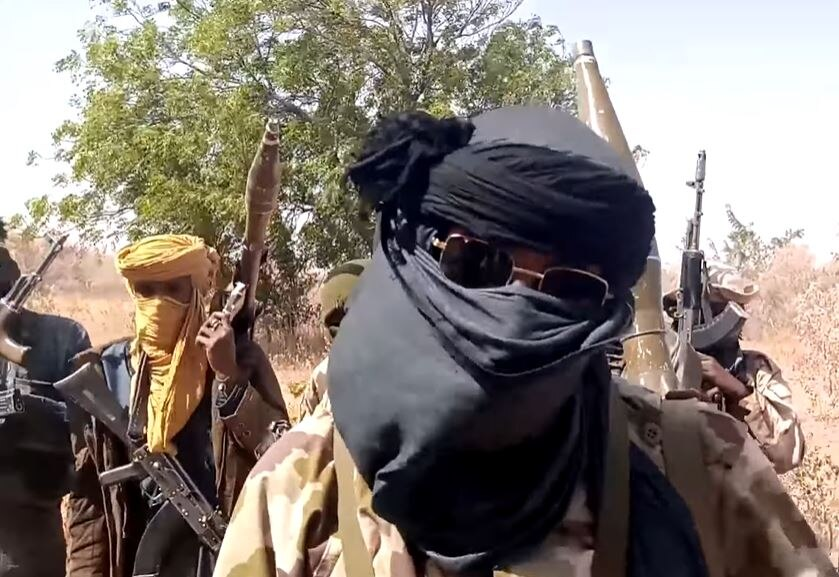
Over 170 Killed in Fulani Terrorist Attack in Nigeria’s Kwara State
ILORIN, NIGERIA — In one of the most brutal blows to civilian life in recent months, Fulani terrorists slaughtered scores of villagers in Kwara State’s west-central community earlier this week, with death toll estimates now exceeding 170 and expected to rise as search operations continue.
On the evening of Tuesday, February 3, 2026, a large group of Fulani terrorists stormed the rural village of Woro in the Kaiama Local Government Area of Kwara State, firing indiscriminately and targeting residents in their homes and compounds.
According to Saidu Baba Ahmed, the lawmaker for the area, the confirmed death toll has reached at least 170 people, making this one of the deadliest single attacks on civilians in Nigeria in recent months.
Local lawmakers and eyewitnesses described horrifying scenes: villagers were reportedly rounded up, bound their hands behind their backs, and executed.
Some residents fled into the surrounding bushland in a desperate attempt to escape the onslaught. However, reports indicate that Fulani terrorists lay in wait within the bushes, targeting those who sought refuge there.
The number of victims killed in the surrounding areas has yet to be confirmed, as the overall death toll continues to rise.
Several people were still missing on Wednesday morning, Ahmed confirm to Reuters.
Homes, shops, and even the palace of the traditional ruler were set ablaze, compounding the scale of destruction.
Who Are the Perpetrators?
Early reports by authorities and independent observers suggest the attackers may belong to the Mamuda terrorist group with reported ideological ties to the Islamic State network.
The Fulani terrorists are reported to have threatened local residents for weeks leading up to the massacre, demanding they adopt Sharia law and renounce allegiance to their moderate and peaceful Islamic faith, a demand met with resistance by the community.
No terrorist group has publicly claimed responsibility as of this writing, but the mode of operation, mass shootings, arson, and intimidation, mirrors tactics used by jihadist networks in Nigeria’s worsening Christian genocide landscape.
Government and Security Response
Despite weeks of threats the government did not respond to secure the lives of the communities, neither did the security conduct investigations to prevent the attack and arrest the terrorists.
However, following the massacre, Governor AbdulRahman AbdulRazaq of Kwara State found his voice and condemned the massacre simply as a “cowardly expression of frustration” by terrorist elements and appealed for intensified security support.
Security forces, including the Nigerian military and police units, have been deployed to the affected villages to secure the area only after the harrowing terrorist attack, and are searching for survivors or additional victims.
Despite prior warnings, no concrete security measures were deployed to protect the communities before the massacre.
In the aftermath, officials cited “significant operational challenges,” claiming the villages’ remote terrain hindered timely security intervention.
Authorities further alleged that strategic responses are now under review, amid growing criticism that existing security frameworks have consistently failed to safeguard vulnerable rural populations, and appears only after attacks.
Humanitarian Impact and Local Trauma
Survivors, many of whom lost family members and neighbours, described chaotic scenes as terrified families fled into the bush while flames consumed their homes.
Traditional leaders and community representatives have called for urgent relief, trauma support, and long-term security guarantees.
Amnesty International and other human rights organisations condemned the killings, highlighting the recurrence of such attacks across Nigeria’s rural communities and urging the federal government to urgently address security lapses that leave civilians exposed to terrorist attacks.
Context: A Broader Security Crisis
This massacre in Kwara arrives against the backdrop of interlinked security threats across Nigeria.
Decades-long insurgencies in the northeast, escalating terrorism in the northwest, and sporadic terrorist attacks in central states have together produced a volatile environment in which rural communities regularly face attacks, kidnappings, and mass violence.
Analysts warn that without strengthened intelligence, community protection mechanisms, and sustained political will, these cycles of violence may continue to claim innocent lives in areas that have historically been under-reported and under-protected.
As recovery efforts is said to begin, the true scale of the human toll may only be fully understood once search teams complete their operations and families account for the missing.
United States President Donald Trump last year accused the Nigerian government of failing to protect Christians. Authorities, however, denied there is systematic persecution of Christians, claiming the crises affects both Christians and Muslims.
US forces struck terrorist targets in Nigeria on December 25, 2025, and on Tuesday, the American military confirmed it had sent a small team of officers to the country to assist in the “extermination” of terrorists.
For now, Kwara’s massacre stands as a grim reminder of the continued fragility of peace in parts of Nigeria, the complicity of the government and the urgent need for effective national and regional security strategies.
IPOB Warns of Gov’t Plot to Spark Religious Violence in Biafraland
Emma Powerful Resigns as IPOB Spokesperson Amid Misinformation Crisis and Internal Turmoil
