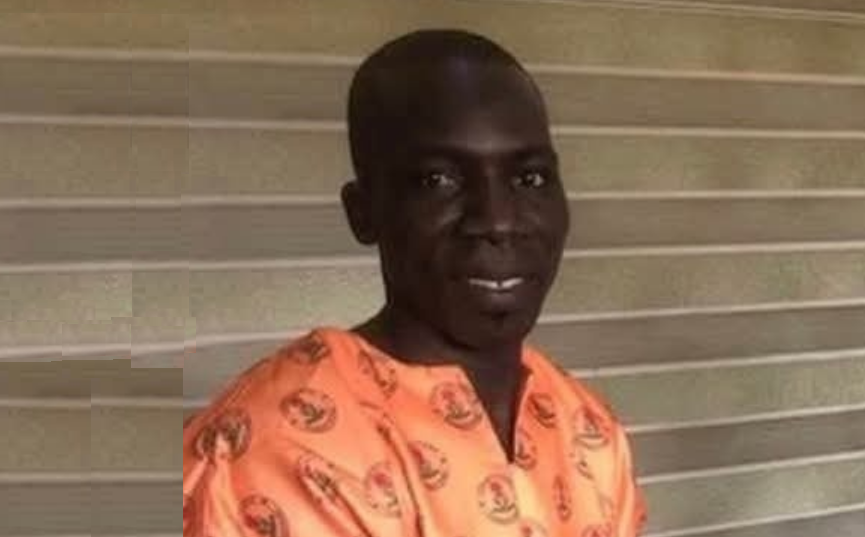
Sunday Jackson Granted Clemency Following International Outrage and Intervention
Abuja, Nigeria – December 24, 2025
After years on death row in a case that ignited national anguish and international condemnation, Sunday Jackson, an Adamawa State farmer sentenced to death for killing a Fulani terrorist in self-defence, while under brutal attack on his farm, has finally been granted clemency.
Jackson, whose case became a symbol of the vulnerabilities faced by Christians in Nigeria, especially rural Christian farmers, was released following a Christmas and New Year pardon approved on December 23, 2025.
The pardon brings a formal end to his death sentence and clears the way for his return to freedom after more than a decade behind bars.
Sunday Jackson was convicted and sentenced to death for killing a man described by his advocates as a Fulani terrorist and herder who allegedly attacked him on his farm.
The ruling provoked widespread outrage, with critics arguing that Jackson was punished for defending his life in a climate of persistent violence against Christians and moderate Muslims.
Over time, his ordeal came to embody deeper concerns about self-defence, selective justice, and the judicial tolerance or support of violence against Christian farming communities.
The clemency granted to Jackson was part of a broader exercise of mercy that also included full pardons for Joseph Eugene and Maxwell Ibrahim, as well as sentence remissions for five other inmates.
However, it was Jackson’s release that drew the most attention, given the prolonged legal controversy and the sustained pressure applied by civil society, faith groups, and international actors.
According to an official statement, the decision followed recommendations from the Advisory Council on Prerogative of Mercy, citing improved conduct during incarceration.
The timing of the announcement, released by the governor’s Chief Press Secretary, Humwashi Wonosikou, was framed as a message of hope and compassion aligned with the Christmas season.
Jackson’s case had long transcended Nigeria’s borders. Human rights organizations, community leaders, and international advocates repeatedly called for his release, arguing that his conviction lacked sound judicial foundation and reflected deeper systemic failures in addressing insecurity by Fulani terrorists.
Among the most vocal advocates was United States Congressman Riley M. Moore, who persistently raised Jackson’s case during congressional hearings, media engagements, and high-level meetings with Nigerian officials both in Washington, D.C., and during a congressional delegation visit to Nigeria.
Reacting to the news of Jackson’s release, Congressman Moore issued a statement celebrating the outcome.
While the pardon does not erase Jackson’s erroneous conviction, it definitively ends his death sentence and closes a painful chapter that exposed fault lines in Nigeria’s justice system.
For supporters, his release is not merely an act of seasonal mercy, but a long-overdue correction of a grave injustice, and a renewed call for accountability, security reform, and equal protection under the law.
