Benin Republic Coup Is a Tactical Move Amid Fears of Nigeria’s Imminent Collapse – Mazi Chinasa Nworu
Bremen, Germany – December 7, 2025
The dramatic military takeover in the Benin Republic on Sunday has sent ripples across West Africa, but analysts aligned with the Biafran self-determination movement argue that the development is neither accidental nor isolated.
Instead, he viewed it as a calculated, strategic move in anticipation of deeper instability in Nigeria and the potential reshaping of regional security dynamics.
According to Mazi Chinasa Nworu, a prominent voice within the Indigenous People of Biafra (IPOB), the Benin coup should be understood within a broader continental context: the expected collapse of Nigeria’s fragile political union and the urgent need for neighboring countries to insulate themselves from the fallout.
A Military Government as a Buffer Against Imminent Nigerian Instability
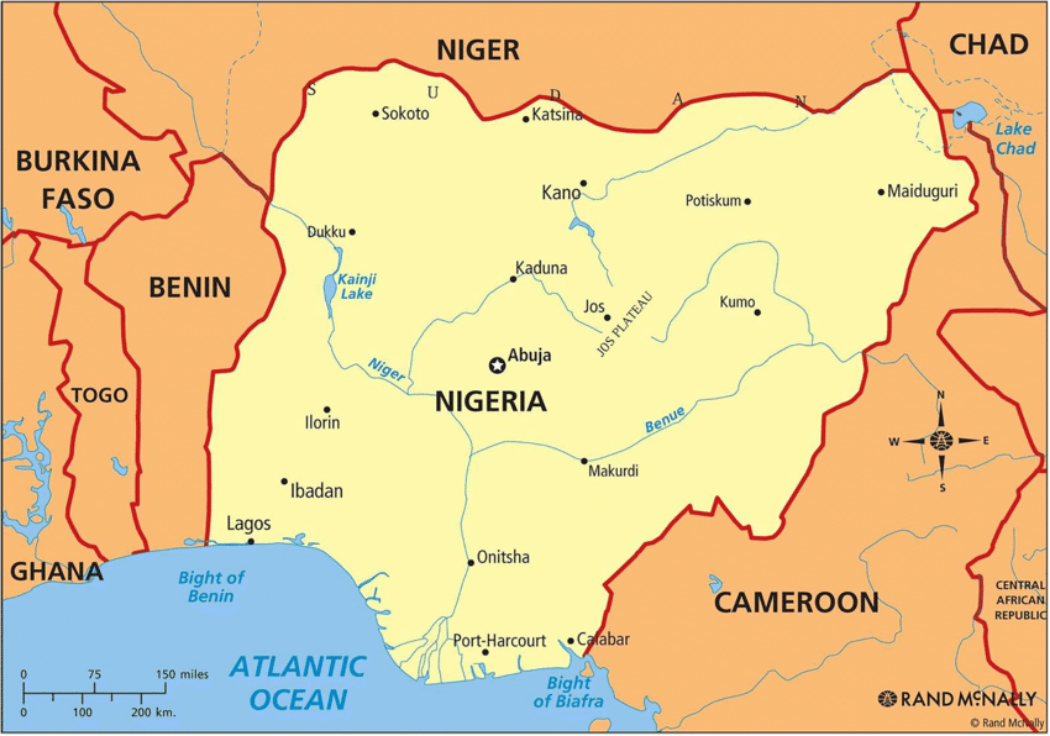
Nigeria, Africa’s most populous nation faces rising internal tensions, a rapidly worsening security crisis, and accelerating political fragmentation.
Mazi Nworu warn that if the country disintegrates violently, West Africa could see an unprecedented refugee influx and a major destabilization of the sub-region.
In this light, he argues that a military-led government in Benin positions the country to secure its borders more effectively than a civilian administration constrained by political pressures.
A strengthened Beninese military would be able to control cross-border movements, pre-empt mass displacement, and prevent the spillover of violence into its territory.
This assessment reinforces IPOB’s long-standing position that Nigeria should undergo a peaceful, UN-supervised referendum rather than descend into chaos. According to the movement, peaceful disintegration remains the only credible pathway to stability for both Nigeria and its neighbors.
“A military government in Benin republic is necessary to secure the country’s borders effectively to limit the influx of intended would be refugees from Nigeria if the disintegration of Nigeria leads to a violence crisis. That’s why IPOB advocates for peaceful disintegration of Nigeria through a UN supervised referendum,” Mazi Nworu said.
Regional Cooperation: Ghana and West African States Watching Closely
While no official confirmation has emerged, Nworu suggests
that Ghana and other West African nations may quietly support Benin’s new military authorities.
The reasoning is clear: a stable and militarily assertive Benin could serve as a geopolitical buffer, absorbing or deflecting pressures emerging from Nigeria’s internal collapse.
Countries already struggling with internal economic pressures and security anxieties would likely resist hosting a massive influx of refugees or allowing extremist groups to exploit weakened border systems. Benin’s military consolidation, therefore, could be tacitly viewed as a preventive shield for the region.
Countering Expanding Radical Islamist Groups in the Sahel and Beyond
The rise of radical Islamist groups across West Africa has been one of the region’s most alarming trends. With expanding networks stretching from the Sahel into coastal states, Nigeria’s instability threatens to accelerate extremist penetration into neighboring nations.
Nworu notes that a military-led Benin may be more willing, and more capable to confront these groups head-on, without the “manipulative tendencies” of politicians influenced by foreign interests.
This assessment resonates with growing regional impatience toward Western involvement in African security, which many see as inconsistent and self-serving.
If Benin strengthens its military posture, it could become a frontline state resisting the southward march of extremist networks, particularly as the United States signals intentions to escalate counterterrorism efforts within Nigeria.
A Region on the Edge, and Nigeria’s Uncertain Future
West Africa now stands at a pivotal moment. The coup in Benin may prove to be a turning point, especially as Nigeria’s internal pressures intensify.
Ethnic tensions, freedom movements, economic decline, and widespread distrust of political institutions have eroded the country’s cohesion to the point where many believe disintegration is no longer a question of if, but when.
Mazi Nworu concludes that Nigeria is heading toward fragmentation either peacefully, through a structured referendum, or violently, “in pieces.”
The coming weeks and months will determine whether regional actors can adapt to these emerging realities or be overwhelmed by them.
What remains clear is that the Benin coup is more than a domestic power struggle: it is a signal of a shifting geopolitical order in West Africa, one that may redefine borders, alliances, and the very structure of governance across the sub-region.
