2025 CBN Director Appointments Resurface, Ignite Fresh Outcry Over Deep-Rooted Tribalism
Like cracks spreading across an overburdened wall, trust in the Nigerian project continues to weaken, leaving many to ask: Can a nation built on division ever truly stand as one?
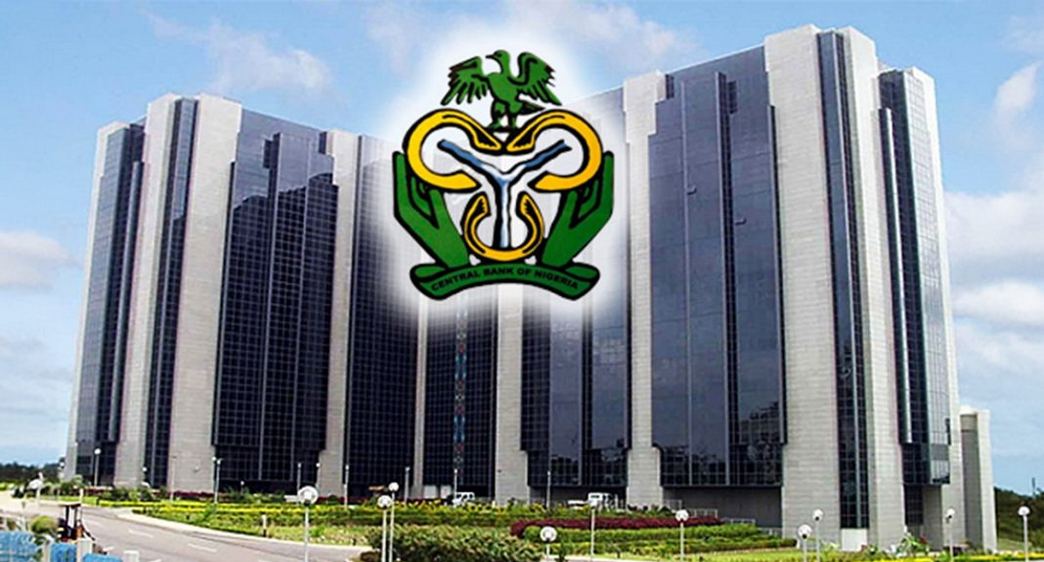
Abuja, Nigeria – The appointment of 16 new directors by the Central Bank of Nigeria (CBN), made in March 2025, has resurfaced in public discourse, reigniting nationwide outrage over what many Nigerians describe as the entrenched tribalism within the country’s governance system.
Although the apex bank had at the time announced the appointments as part of efforts to strengthen its operations, a renewed examination of the list has triggered fresh anger and disappointment, with citizens accusing the government of institutionalising ethnic imbalance.
Out of the 16 appointed directors, 11 were reportedly of Yoruba origin, three Fulani/Hausa, one Igbo, and one Edo.
For many observers, the disparity is far from accidental. Rather, they see it as a continuation of a long-standing political culture rooted in ethnic dominance, exclusion, and deliberate division.
Critics argue that tribalism has evolved into a strategic tool used by those in power to consolidate control, while quietly capturing key national institutions.
“Nigeria does not operate on the basis of competence,” Biafran activist Sochima Mbanali said. “It is about control. When critical positions consistently tilt in one direction, it sends a clear message about who the system truly serves.”
The renewed outrage has reopened painful historical memories, particularly among the Igbo people, who many believe have faced systematic marginalisation since the inception of Nigeria.
From the massacre of Igbos across different regions in the 1960s, to the recent destruction of Igbo-owned homes and businesses in Lagos, as well as election-related violence targeted at Igbos in parts of the Western region, critics insist that exclusion and hostility have remained a recurring pattern.
Nigerians have also pointed to what they describe as lopsided federal appointments across strategic sectors, including security agencies, revenue-generating institutions, and sensitive government offices, which often appear dominated by specific regions.
Political analysts warn that such practices continue to erode public confidence in the Nigerian state and intensify calls for self-determination.
“When citizens no longer see themselves fairly represented in national institutions, they begin to question the very idea of one Nigeria,” constitutional lawyer Barrister Gbenga Adebayo explained. “Marginalisation breeds alienation, and alienation breeds resistance.”
Supporters of self-determination movements argue that the CBN appointments, though made months ago, remain symbolic of a broader system that functions more like an ethnic power structure than a true federation founded on justice and equality.
They insist that tribal favouritism is deliberately sustained to keep political elites in power, while ordinary Nigerians are distracted by ethnic divisions.
“Politicians divide the people along tribal lines and then quietly share power and resources among themselves,” a youth leader from the Middle Belt region said. “Meanwhile, the masses are left fighting one another.”
Across social media platforms, Nigerians have revived debates around the CBN list, comparing it with the constitutional principle of federal character, which was designed to ensure balanced representation in public service.
Many now argue that the principle has been reduced to mere words on paper.
As frustration grows, calls are increasing for transparency, fairness, and a fundamental restructuring of what critics describe as a deeply tribalised system of governance.
For advocates of self-determination, the resurfacing of the CBN appointments is not an isolated controversy, but another reminder of decades of exclusion.
To them, every lopsided decision, every ignored grievance, and every act of ethnic bias pushes Nigeria further from unity and closer to fragmentation.
Like cracks spreading across an overburdened wall, trust in the Nigerian project continues to weaken, leaving many to ask: Can a nation built on division ever truly stand as one?
Related Articles:
Over 170 Killed in Fulani Terrorist Attack in Nigeria’s Kwara State
Propaganda, Distractions as Kanu’s Appeal Nears, Lolo Okwu-Kanu Cries Out
IPOB Marks ‘Trump Solidarity’ Rallies, Renews Outcry Over 2017 Killings and Kanu’s Detention
